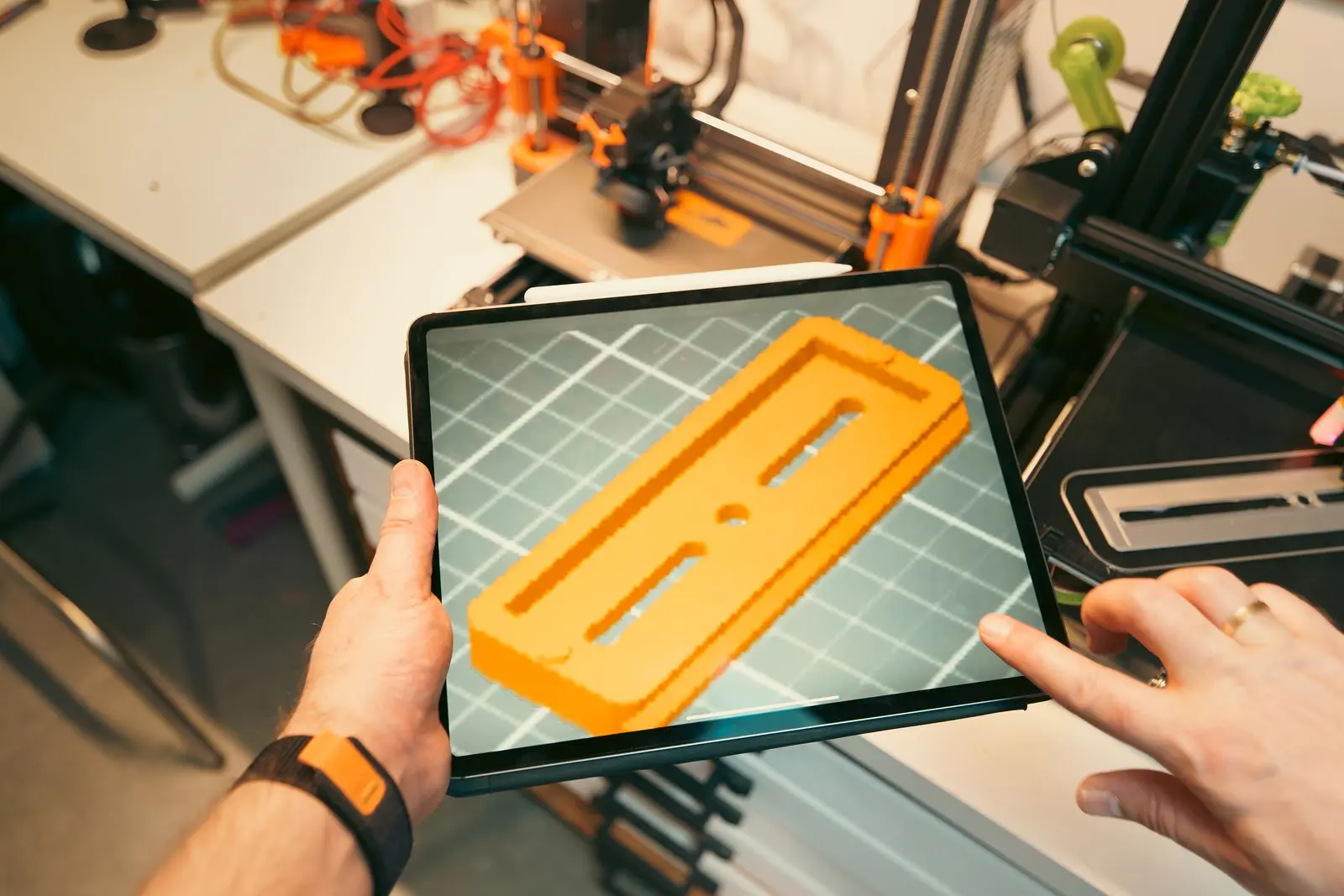
Build a prototype to answer a specific question: will it fit, will it assemble, will it work? Choose the build method and test around what you need to learn.
Prototyping with a purpose
What do you need the prototype to prove?
Use an appearance model to review form, a fit model to check interfaces or a functional prototype to test operation. Choose materials and processes that suit the question.
Form
Shape, proportions, handling and appearance.
Fit
Interfaces, clearances, access and assembly.
Function
Operation and the performance being investigated.
Build → inspect → decide.
Set up a useful test
Agree what to test and how to judge the result. Record where the prototype differs from the planned production part.
Learn from each iteration
Capture what worked, what failed and what needs to change. Use the findings to plan a focused design revision or another build.
A successful prototype demonstrates what was tested. Materials, tooling and repeatability may still need production trials.
What you can share
CAD, sketches or an existing sample
The function, interface or assumption you need to test
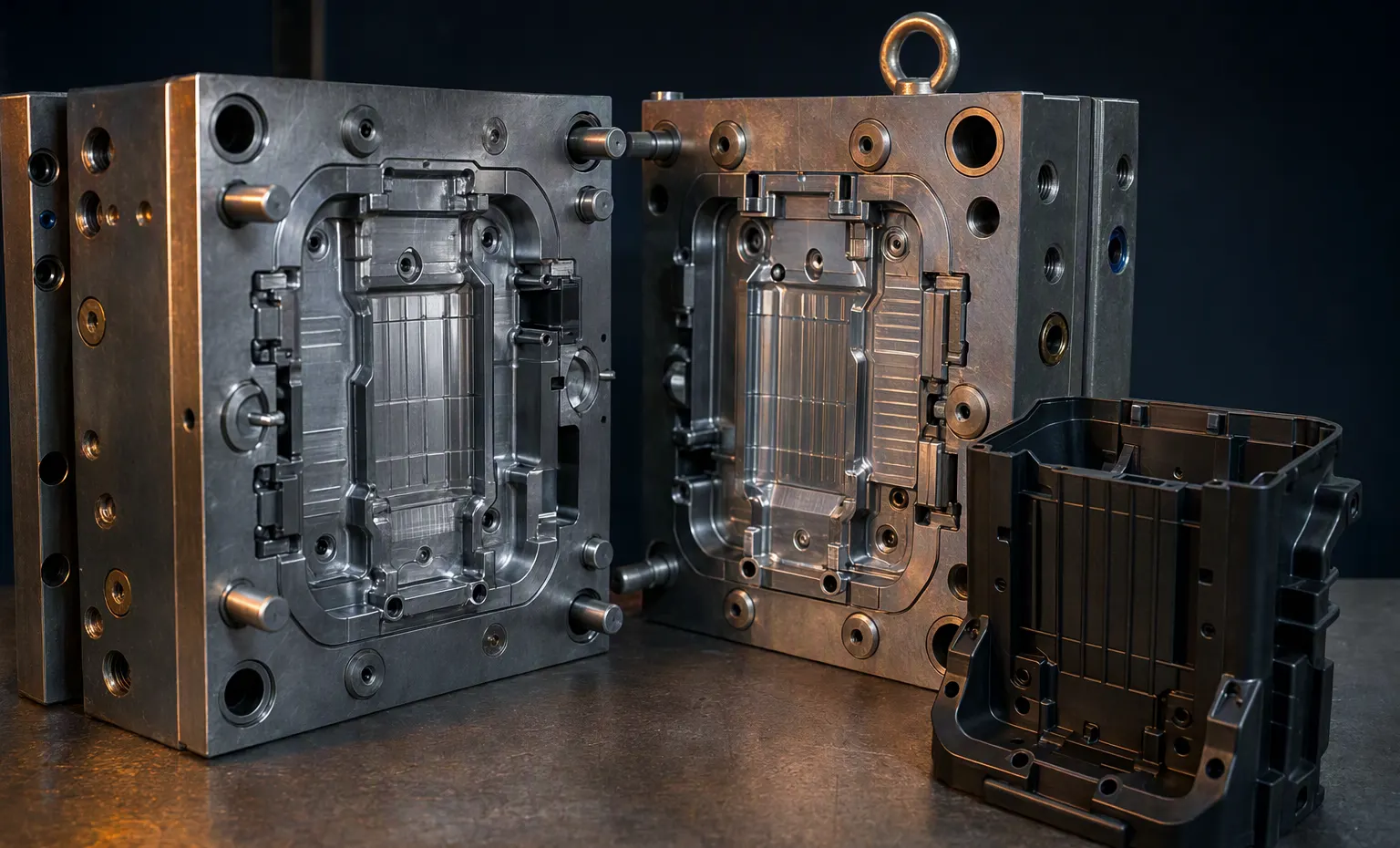
The build method affects the conclusion. A printed part can help check an interface without representing the strength, finish or dimensional stability of a molded part. Record these differences in the test plan rather than treating every successful demonstration as production approval.
Useful findings connect an observation to a decision: retain the design, revise a feature, change the material or test another assumption. Agree the next build around unresolved questions instead of repeating the entire prototype exercise.
Settled before we start
The questions worth answering first.
What question should this prototype answer?
An appearance model proves form, a fit model proves interfaces, a functional prototype proves operation. The build type follows from the question, and so does the material. A part that looks right but is made of the wrong polymer proves nothing about production.
How will we judge the result?
The test, the pass condition and what gets recorded are agreed before the build. Without them a prototype produces opinions rather than findings.
What is different between this part and the production part?
Process, material, surface and tooling all differ. Those differences are recorded explicitly so nobody reads a prototype result as a production guarantee.