Capabilities

Product Development & Mechanical Engineering Services

Develop a new product. Improve an existing one.

Discuss your requirements
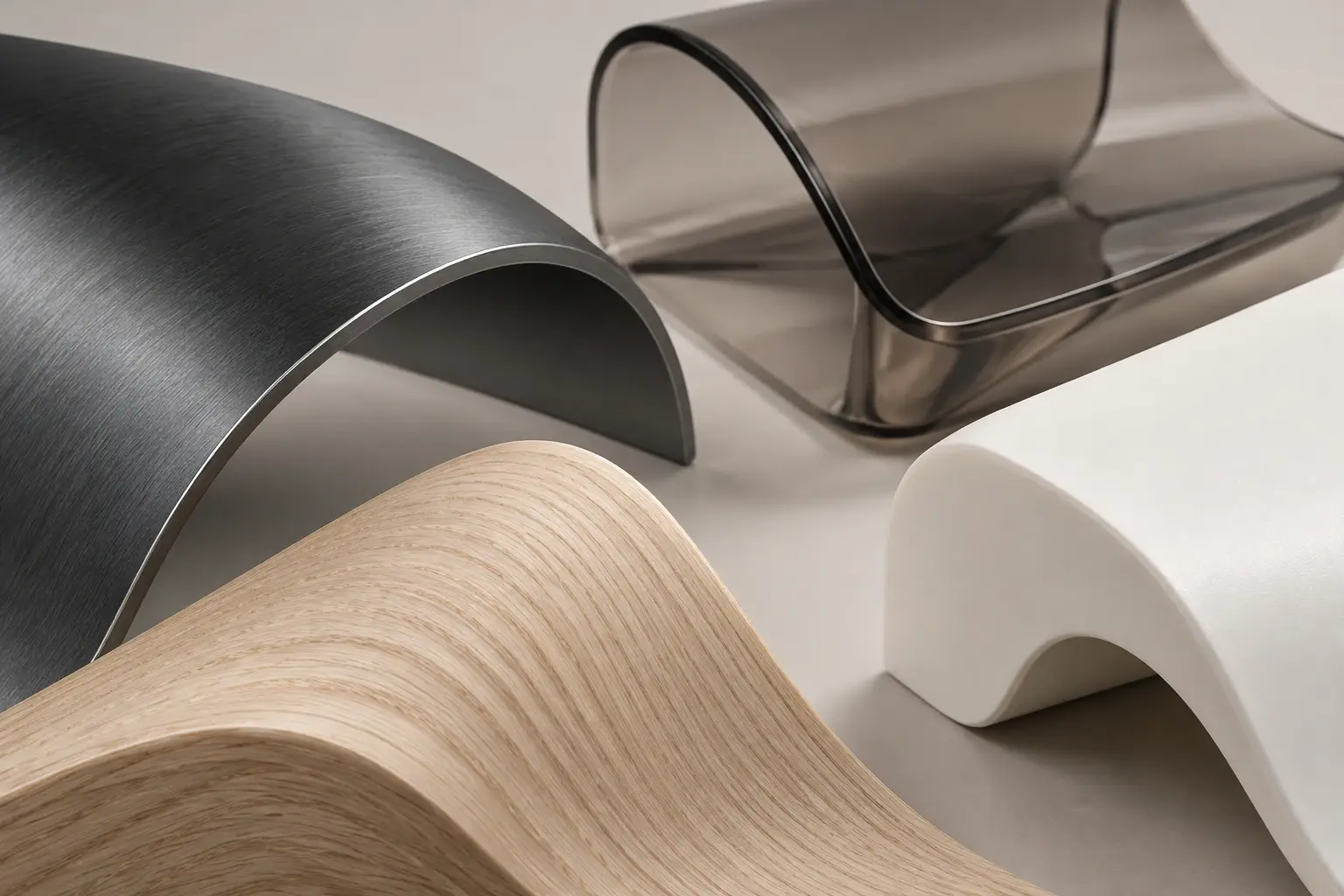
Conceptual material design study exploring metal, polymer and wood surfaces

Bring your requirements, sketches, CAD or existing product. We help develop the design, work through engineering details and address the issues that affect manufacturing.

What are you working with?
Requirements / sketchCAD / drawingsExisting prototypeExisting product

Design the product. Work through the details.

Industrial design

Product form, use, appearance and design development.

Mechanical & structural engineering

Part geometry, interfaces, materials, connections, tolerances and assembly.

DFM

Review the design against the intended process and resolve manufacturing risks.

Design optimization

Improve an existing structure, component or assembly approach.

Value engineering

Find cost opportunities while retaining the function and quality the product needs.

Where needed, we coordinate electronics engineering and integration with the mechanical design.

Engineering for manufacturing

Make manufacturing part of the design.

Review materials, tolerances, tooling, fastening and assembly access. Compare changes against function, quality and total manufacturing cost.

Check how the parts will be tooled, made and assembled before committing to production.

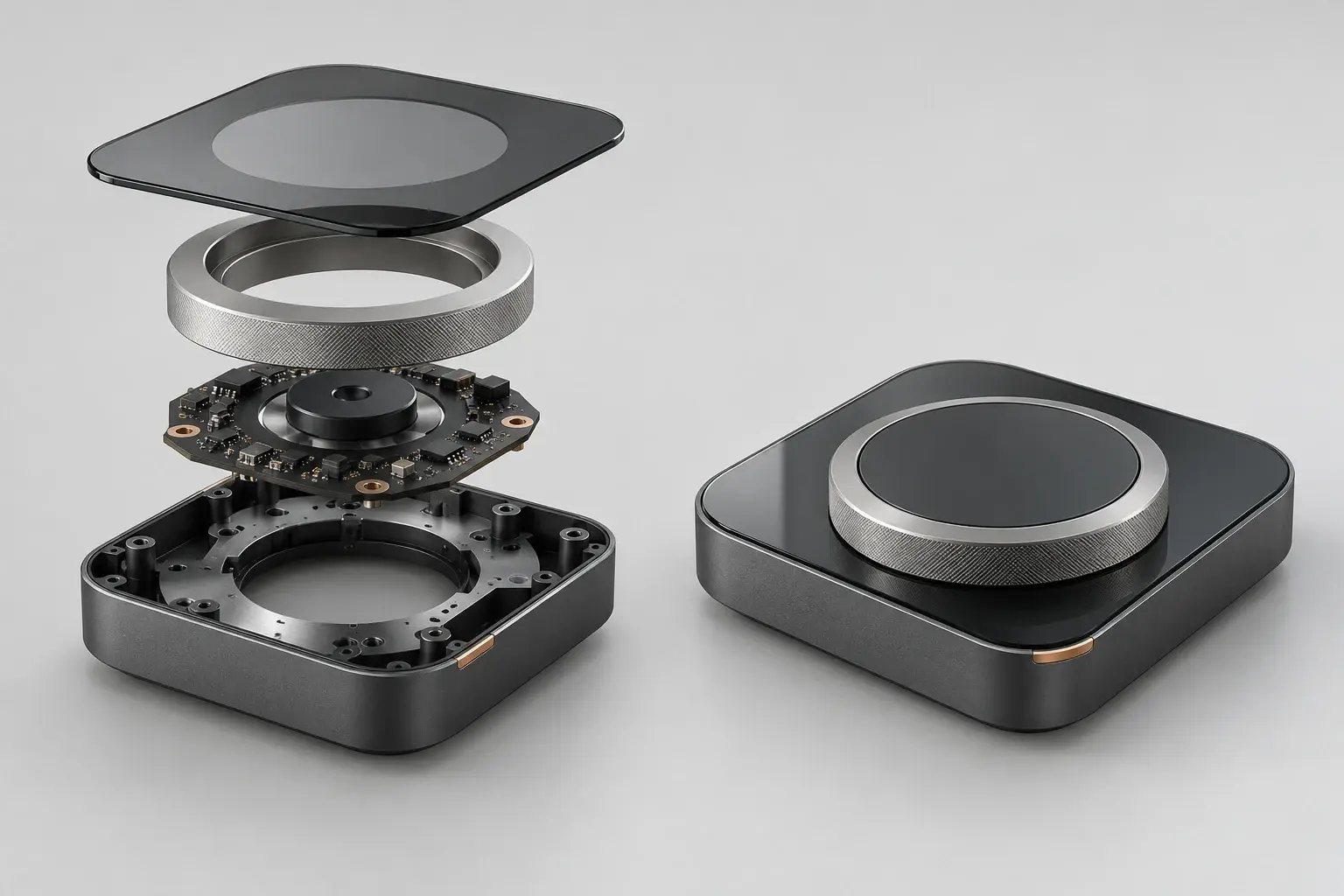
Conceptual product design study: a compact desktop controller with an exploded view of the enclosure, control ring and electronics

Start with what exists

  • Requirements, sketches or an existing design
  • Available CAD, drawings, BOM and revision history
  • Target quantities, performance requirements and known issues

What the work can deliver

  • Design concepts and engineering recommendations
  • 3D CAD models, engineering drawings and assembly details
  • DFM review and recommended design changes
  • BOM, material and component specifications
  • Prototype findings and next-step recommendations

Agree the deliverables, file formats and review responsibilities for your project.

Engineering release decisions

A design review should identify which requirements are fixed and which can change. A tight tolerance may protect an essential interface, or it may add cost without improving the product. Review the function behind the requirement before changing the drawing.

Before release, agree which revision is approved, what remains to be tested and who can authorize a change. Keep the CAD, drawings and bill of materials consistent so prototype findings do not disappear between engineering and manufacturing.

Settled before we start

The questions worth answering first.

Which requirements are actually fixed?
Separate what the product must do from what someone assumed early. Function, use environment, lifetime, target cost and quantity decide the structure. Anything not tied to one of those is still an open decision, and open decisions are where cost hides.
Can this geometry be made at the intended volume?
A model that looks right can still be unmouldable, unclampable or impossible to assemble. Wall thickness, draft, parting lines, undercuts, fastening and assembly order are reviewed against the process you intend to use, not against the CAD.
What changes if we make it simpler?
Part count, material, tolerance and finish are the levers. Each change is compared against function, perceived quality and total manufacturing cost, including the tooling and inspection it adds elsewhere.

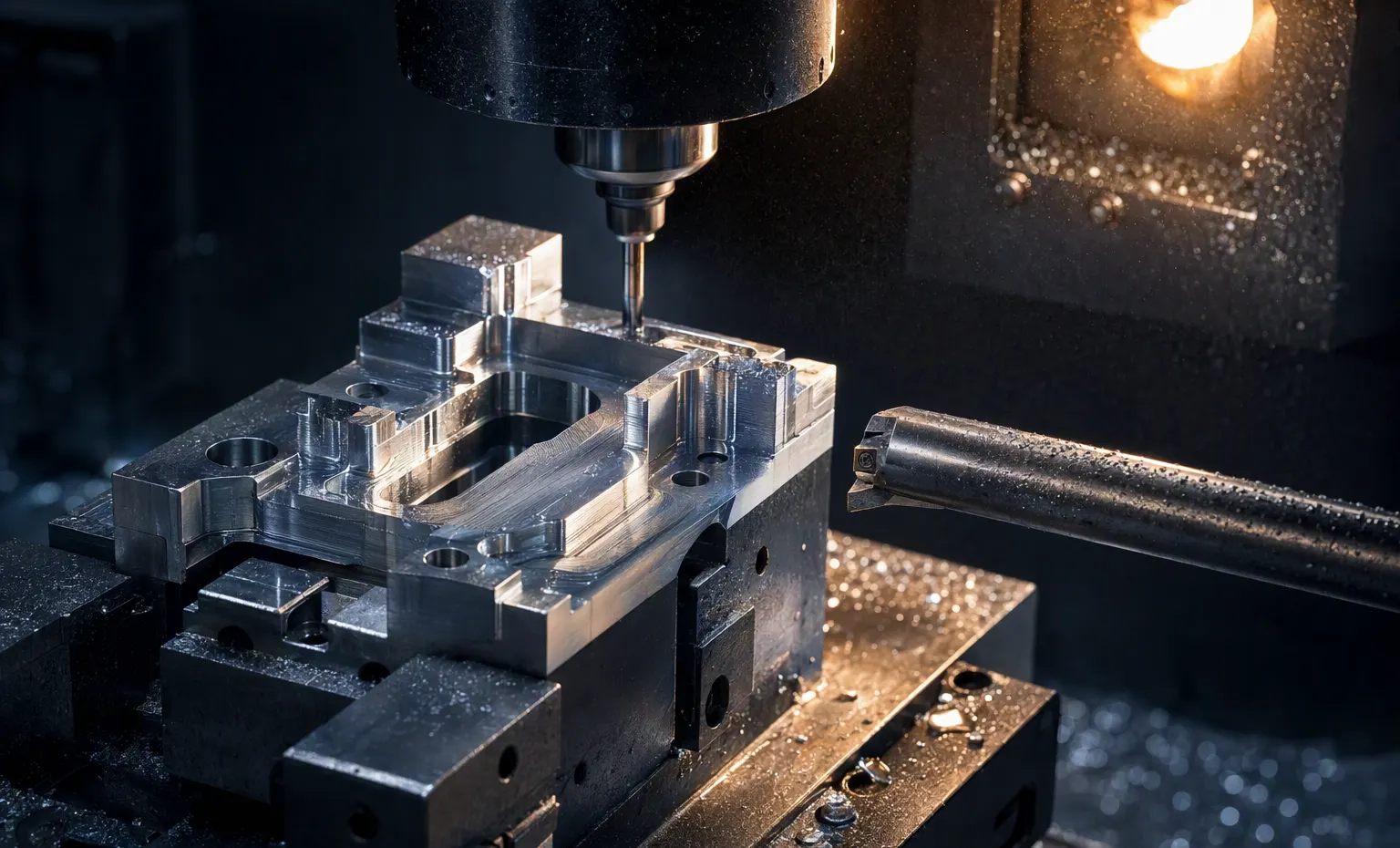
Machining an aluminium part held in a vise, with fine swarf and a cutting tool under load

What’s next for your product?

Show us what you have and tell us what you need.

Discuss your engineering needs